Rock climbing is a sport that involves climbing various types of walls such as real rocks or artificial indoor walls. Yet there are many different types of rock climbing out there. There are different lengths that one can climb, or even if they are supported/use any equipment. Categorizing every single type of climbing under just rock climbing is a disservice to the vast variety that is present in this sport.
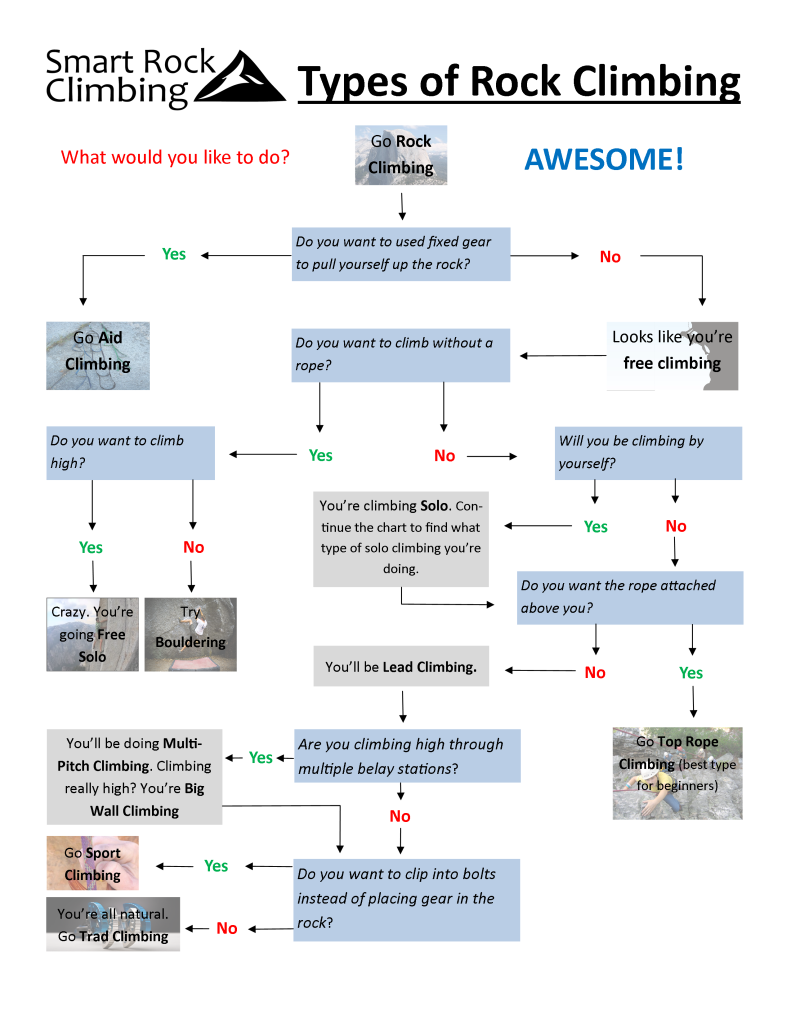
In rock climbing many different factors can influence what type of climbing you will want to partake in. When first getting into climbing it can be quite overwhelming which you should choose, so this page is here to inform you on the differences, so that you know which one you want to start with and what you are getting yourself into.
Read more on Wikipedia
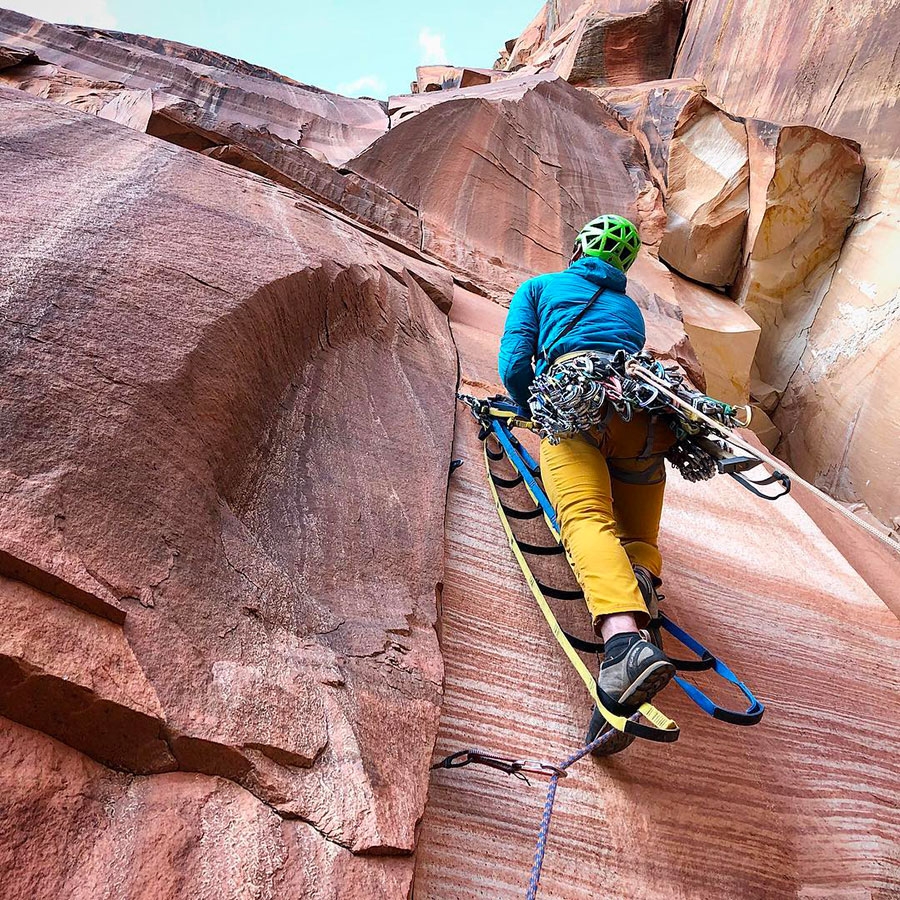
Aided climbing is a type of roped climbing where the climbers are assisted by ladders to help them gain upwards momentum when climbing. You use climbing protection by clipping your rope to clips that are in the wall. Like any other roped climbing, this type has a belayer to help with the slack and management of the rope. This type of climbing is predominantly done outside, but there are some specialized indoor gyms for this type of climbing.
The reason this is classified differently is because in the other roped forms of climbing, the rope is only there for protection and the climber does not have any help to go upwards. The other roped climbing is considered clean aid climbing (it's clean in the sense that it's only for protection not to ease the task for the climber).
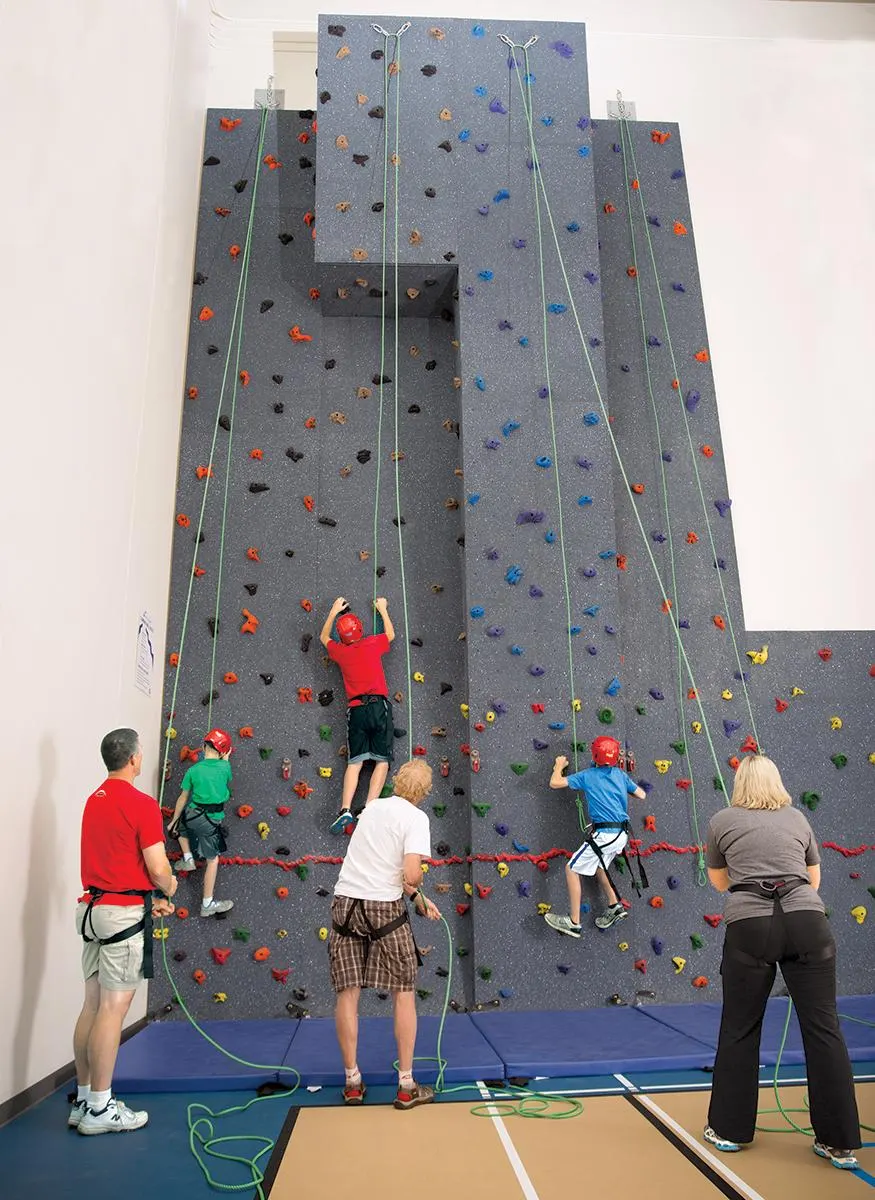
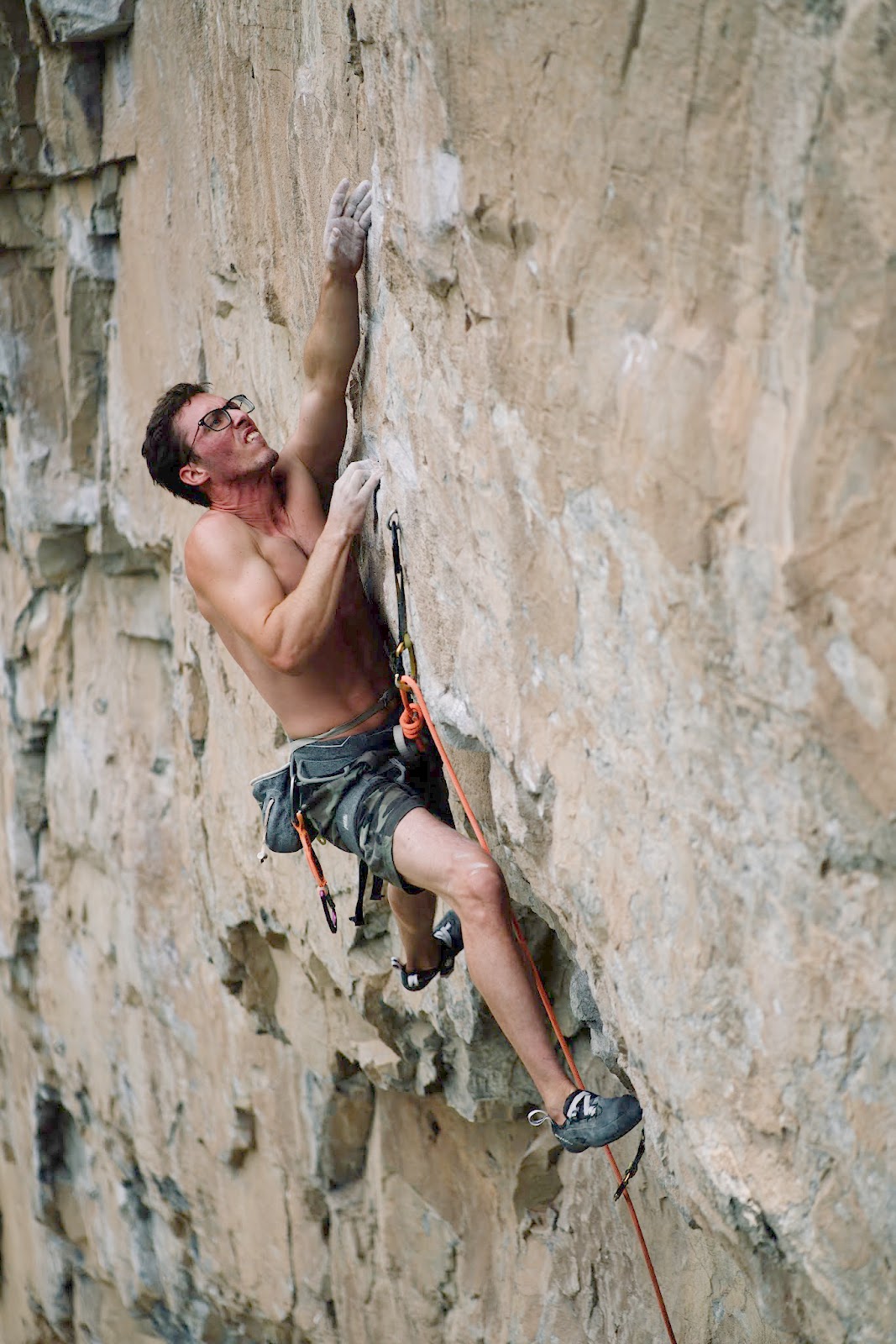
Sport climbing is a type of roped climbing that can be practiced indoors and outdoors. Sport climbing requires the climber to clip their rope into pre placed bolts. To complete a climb you have to reach either the final bolt. If you ever watch a rock climbing competition and you watch the roped event they will do sport climbing seeing as it is the best fit for a competition. When you sport climb the bolts force a certain route on the climbers. The routes in sport climbing can vary in size, they range from 10 meters to entire mountains. When climbing there is either a belayer to help with the rope.In general sport climbing can be harder for beginners because of the whole process of clipping the rope into the bolts.
Sport climbing is a type of roped climbing that can be practiced indoors and outdoors. Sport climbing requires the climber to clip their rope into pre placed bolts. To complete a climb you have to reach either the final bolt. If you ever watch a rock climbing competition and you watch the roped event they will do sport climbing seeing as it is the best fit for a competition. When you sport climb the bolts force a certain route on the climbers. In general sport climbing can be harder for beginners because of the whole process of clipping the rope into the bolts.
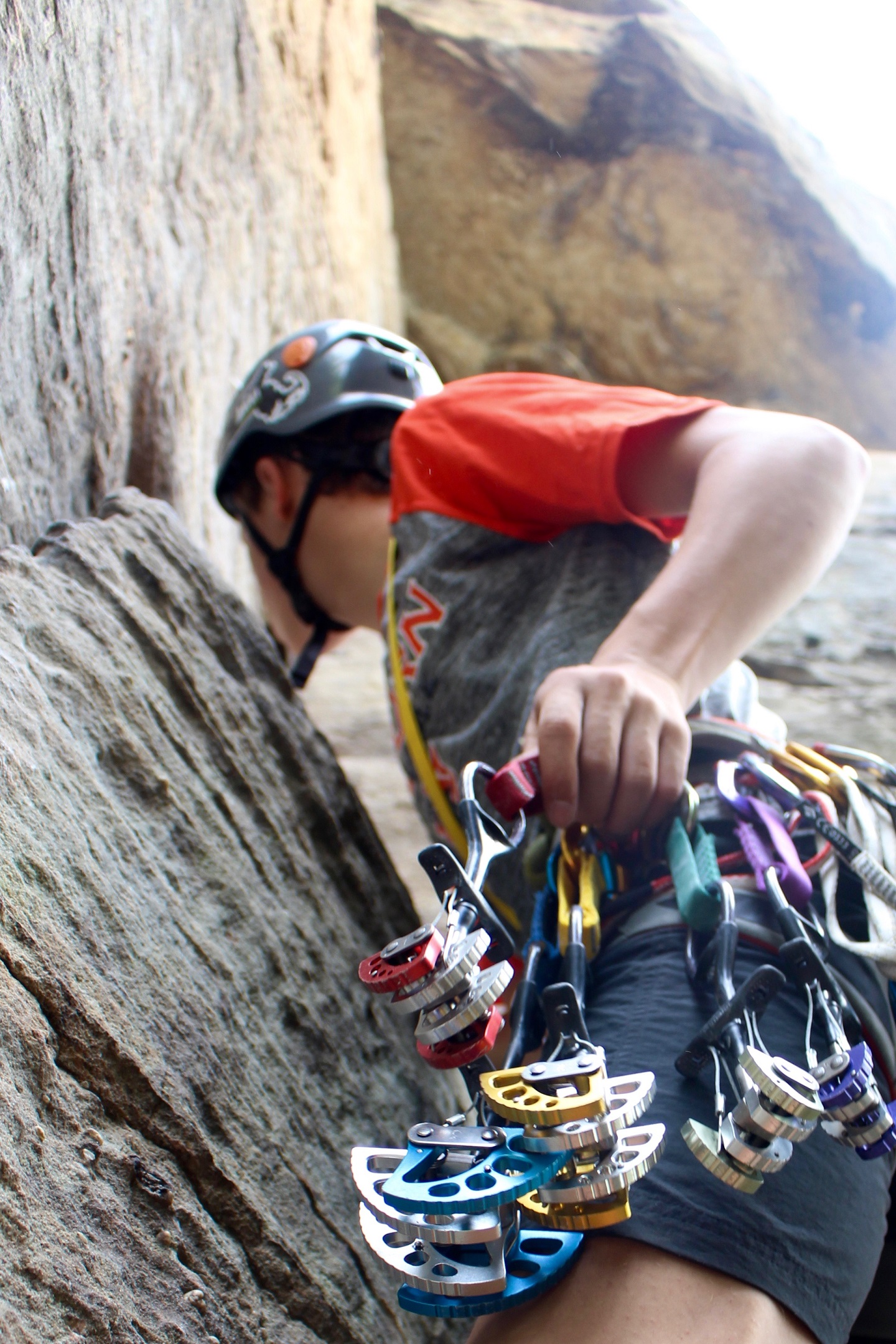
Trad climbing otherwise known as traditional climbing is very similar to sport climbing. In fact they share every single property, except safety. In trad climbing, you are expected to bring your own bolts to temporarily place in the mountain/route that you are climbing. This adds a layer of difficulty seeing as you now have to find a solid spot to put your safety or else you can risk injury. This type of climbing is also exclusive to the outdoors because of this quirk. People trad climbing because they believe it's the tradition and how climbing should be done, that's why it's traditional, or because they don't want to harm the mountain by placing permanent blots on its walls.
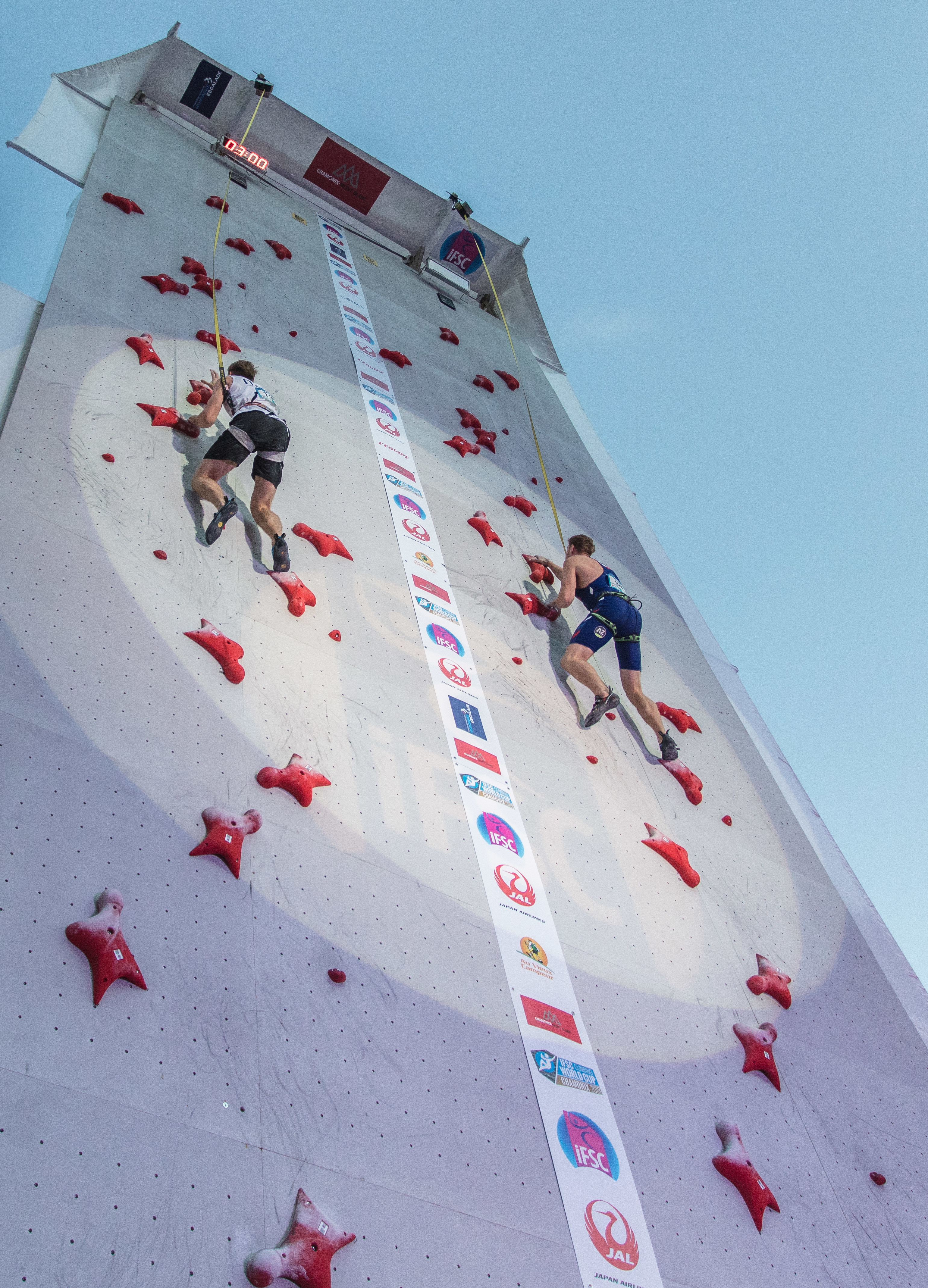
Speed climbing is another form of competition climbing, where two people trace each other. This type is very different from any other type of climbing. Speed climbing is one singular universal route. The climbers try to climb a 15 meter tall wall as fast as possible (the men's world record is 4.64 seconds). The climber is attached to a rope, which is auto belayed. This type of climbing is only done indoors. THos has to be one of the least popular types because of its odd format and decently high skill barrier if you want to do well while climbing.
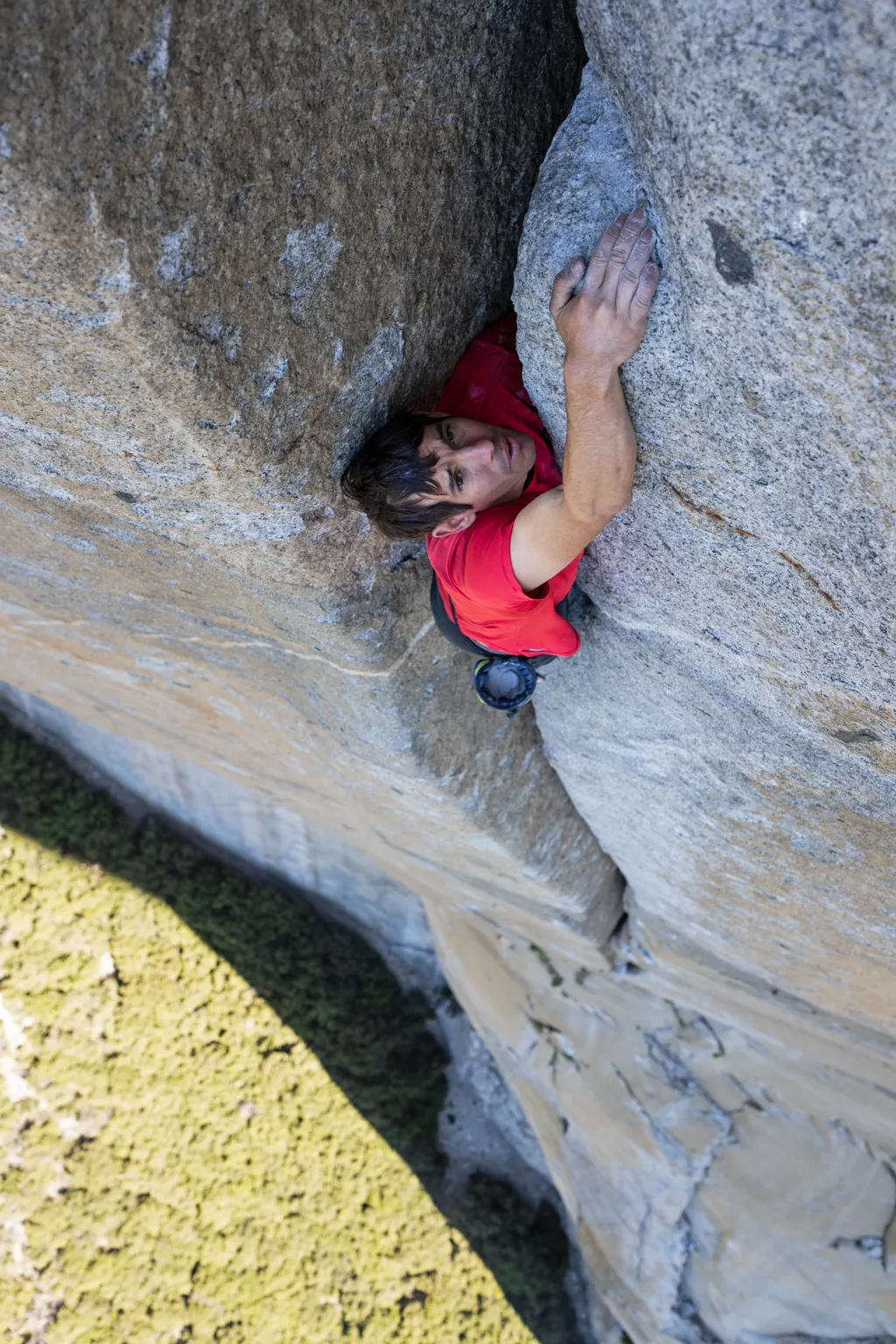
Free soloing is a ropless type of climbing. This is a climbing that very insane people try, because there is no rope and you climb tall mountains. One mistake and you can die. Free soloing can be done in groups or solo. This is a type of climbing even pro climbers are scared of trying, even if the route is easy. Free soloing routes range in height, they can be 30m high or thousands of meters. This type of climbing is never recommended.There is a safer valiant known as deep water solo where you climb without rope above water, so if you fail you can fall into water.
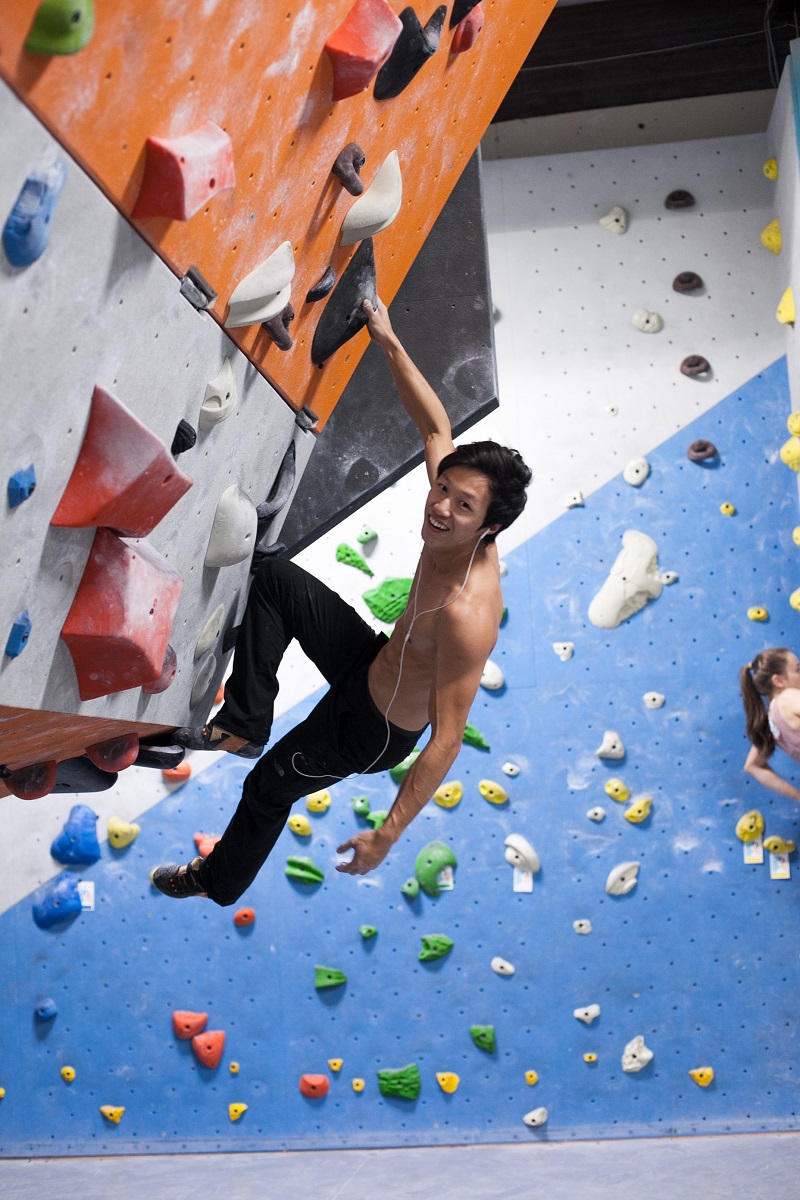
Bouldering is a ropless form of climbing. This type of climbing can be done outdoors or indoors. Bouldering is easily one of if not the most popular form of rock climbing. Bouldering is the shortened form of climbing, all routes being under 5 meters for the most part. When outside you climb on boulders, hence the name of bouldering. Indoor bouldering when you fall you land apn giant mats, outdoors you have tiny crash pads and your friends you are climbing with to catch you if you fall. Bouldering is the third and final type of competition climbing you can find. Modern competition bouldering is very dynamic and inspired by parkour. While on paper bouldering sounds the easiest because of its length, you would be wrong. Indoor bouldering tends to be shorter, yet far more physically demanding as well as mentally demanding. You have to stare at the route and think about every move you do so that it doesn't feel awkward. I spent multiple hours of my life just thinking about what moves to do before I even touch the wall. Even with the difficulty, specifically indoor bouldering is so popular because of the safety, ease of access, lower entry barrier